About
Most service businesses
do not break loudly.
They usually start to break in the places that are easy to explain away at first: the follow-up that gets missed, the onboarding step that happens later than it should, the payment nobody noticed failed, the team question that keeps coming back to the founder, the renewal that gets brought up too late, and the client context that ends up spread across Slack, voice notes, inboxes, project boards, and someone's memory.
And usually, that someone is the founder.
Soft Girl Ops exists because I do not believe successful women should have to become the operating system of the business they built.
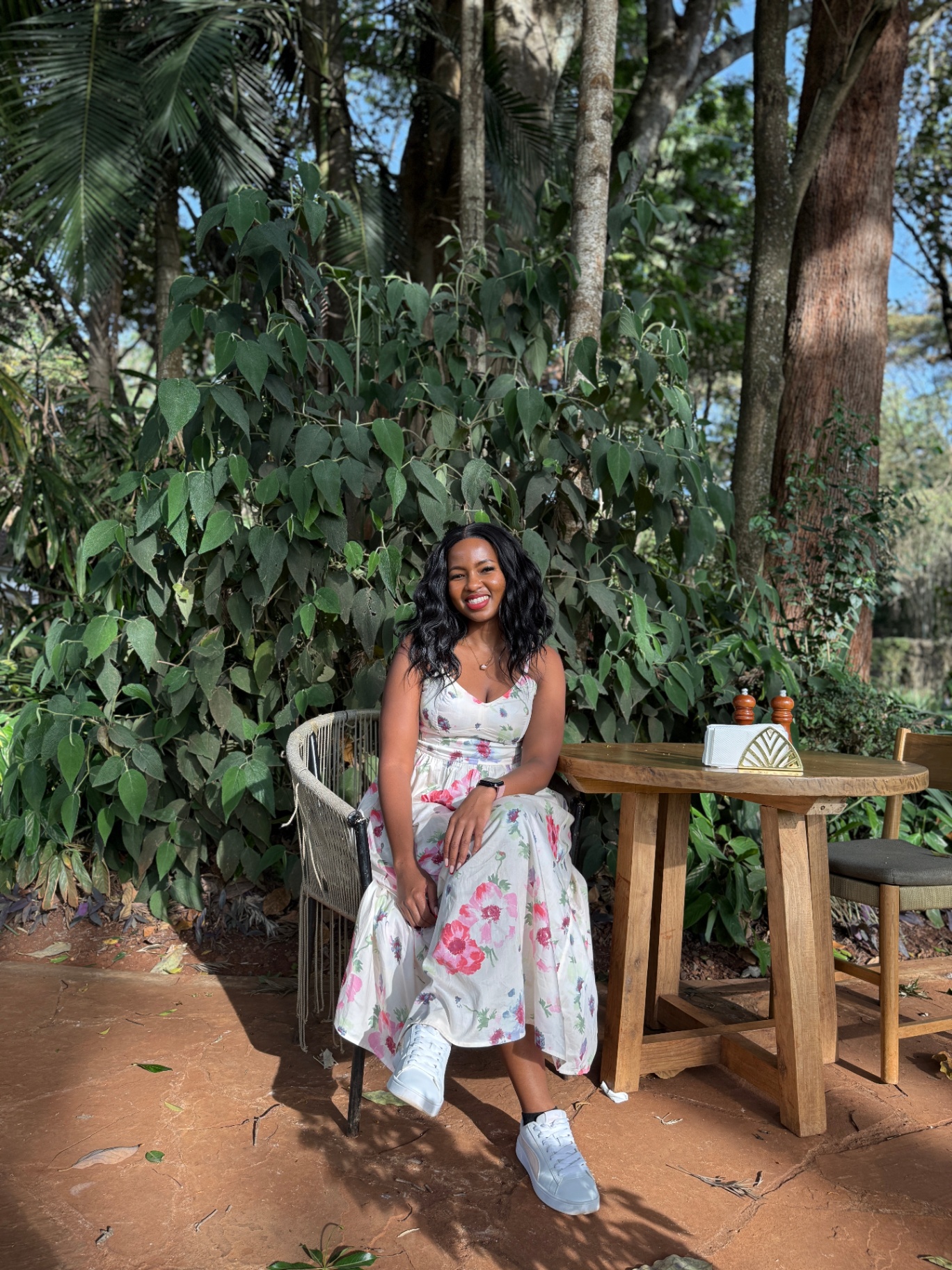
About Sabrina
I did not arrive in operations through a straight line.
Before Soft Girl Ops, I built a fashion business, worked inside an early-stage startup when the team was still tiny, and later worked in venture capital with a $400M fund, where I saw how much serious work lean teams are expected to hold with very little operational slack.
That pattern followed me across startup teams, VC teams, nonprofit teams, tech teams, and founder-led businesses, and even though the size of the business changed, the operational question underneath it stayed the same:
What is the business asking people to carry that the system should be holding?
After leaving a toxic work culture that had taken far too much from my body, mind, and life, I took time to reset, moved back in with my parents, and started studying product design.
Three months later, I landed a role at a global mental health tech nonprofit creating accessible mental health resources for young people, and that role brought so many of the pieces together.
I started across product and operations, then moved deeper into ops, and that product lens still shapes the way I build today. I do not just look at what process should exist. I look at how people actually move through the work, where behaviour breaks down, what gets avoided, what keeps coming back to the founder, and what kind of structure people will actually use.
I have ADHD, so my brain is constantly trying to make sense of things; it wants to find the pattern, spot the gap, understand why something feels heavier than it should, and build the structure that makes it easier to hold.
That became the foundation of Behaviour-First Design™: building systems around how people actually work, not how they should work.
That is the way I see businesses.
I can look at how work moves, how clients move, how teams communicate, and how founders make decisions, and I can usually see where the backend is unclear, fragile, or relying too heavily on one person's memory to keep moving.
That is why Soft Girl Ops exists.
The Lens
Behaviour comes before the build.
I look at operations through a product mindset, which means I care just as much about how people actually use the backend as I do about how clean it looks when it is finished.
A backend only works when the people inside the business can trust it, understand it, and use it without feeling like they have to fight the system every time they need to move something forward.
That is why I do not start with the tool, the template, or the neatest version of how the business could run on paper.
I start with what is already happening inside the business: how work actually moves, where people naturally go for information, what the founder keeps checking, what the team keeps asking, what clients keep missing, what gets repeated manually, and what everyone avoids because the current system is too clunky to use.
That is Behaviour-First Design™.
It means we build the backend around the way the business actually works, so the structure fits the people using it and can become part of the rhythm of the business, instead of turning into another system that looked good when it launched and slowly got abandoned.
The client journey still matters because it shows how the business behaves under pressure, from inquiry to onboarding, delivery, payment, renewal, offboarding, and post-engagement.
But the deeper lens is behaviour.
How people move.
What they trust.
Where they get stuck.
What they repeat.
What they avoid.
What they only do when someone reminds them.
That is where the real operational clues live, because when a system is not being used, it is usually showing us something about the design.
Adoption is not just about discipline.
It is about building something people can actually use inside the real business.
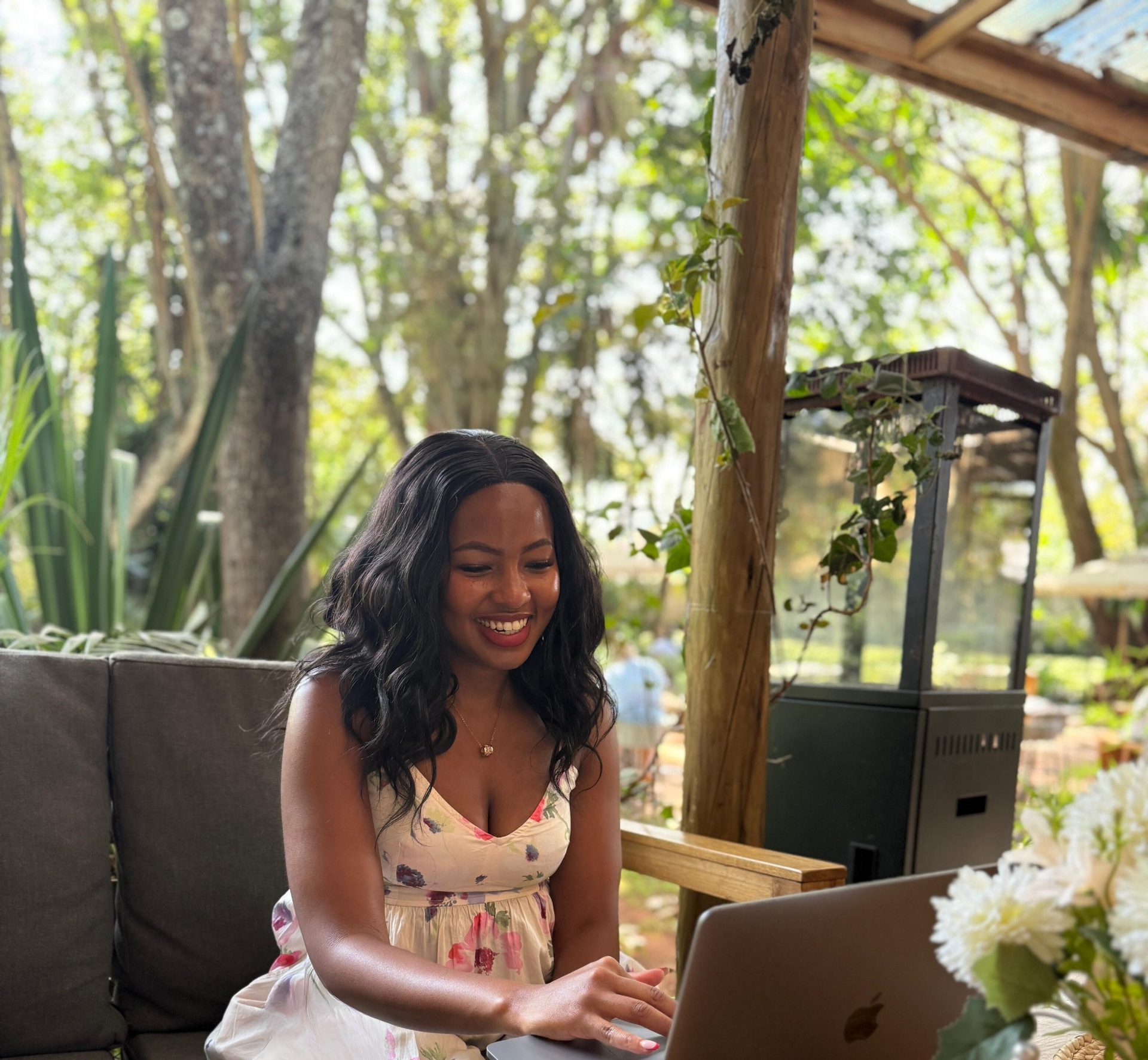
If your business is working,
but still depends on you behind the scenes.
Book a call. We'll look at what is creating operational weight inside the business and map the right next step from there.
Free 30-minute client experience audit